Regulatory non-compliance in communities of neighbors can lead to significant legal and financial consequences. Understanding the causes and strategies for compliance is essential for proper community management. Learn how innovative solutions can alleviate these challenges and ensure adherence to regulations.
Understanding the Causes of Non-Compliance
The issue of non-compliance within communities often arises from a lack of awareness or understanding of existing regulations. Many residents and even some administrators might not fully comprehend the legal obligations they are under, leading to accidental breaches.
Financial constraints can also play a role. Some communities may lack the funds needed to meet regulatory requirements, such as conducting regular maintenance or updates to safety systems. This scarcity of resources directly impacts the ability to comply and increases the risk of violations.
Additionally, ineffective communication strategies contribute to compliance issues. Without clear, consistent updates and reminders, residents can easily overlook important regulatory changes or deadlines, resulting in unintentional non-compliance.
The Consequences of Ignoring Regulations
Non-compliance can have severe repercussions, both legally and financially. Communities that fail to adhere to regulations may face monetary penalties that strain their budgets. These fines can escalate if violations persist or are deemed willful, causing long-term financial damage.
Beyond financial consequences, non-compliance can erode trust within the community. Residents may lose confidence in their management, resulting in decreased satisfaction and higher turnover rates. This lack of trust can ultimately impact the community's cohesion and overall wellbeing.
Moreover, non-compliance can lead to legal actions, further increasing costs and damaging the community's reputation. Litigation can be both time-consuming and expensive, diverting resources away from essential community services.
Strategies for Achieving Compliance
To effectively manage compliance risks, it's important for communities to implement proactive strategies. Regular training sessions and workshops for residents and administrators can increase awareness and understanding of legal obligations. Education is a key component in preventing accidental violations.
Allocating resources specifically for compliance-related updates and maintenance can ensure that the necessary funds are always available. This financial planning should be a part of the community's annual budget, allowing for smooth compliance with little disruption.
Another essential strategy is the adoption of technological solutions. Modern platforms like GestionaTuComunidad facilitate compliance through automated reminders, document management, and controlled communication, helping manage regulatory requirements more effectively. Register now to explore how these solutions can streamline your compliance efforts.
Leveraging Technology for Effective Compliance
Technology plays a critical role in addressing non-compliance. GestionaTuComunidad offers features such as online reservations, automatic billing, and a user-friendly app, which simplify managing community obligations. These tools not only enhance control over compliance tasks but also improve communication efficiency within the community.
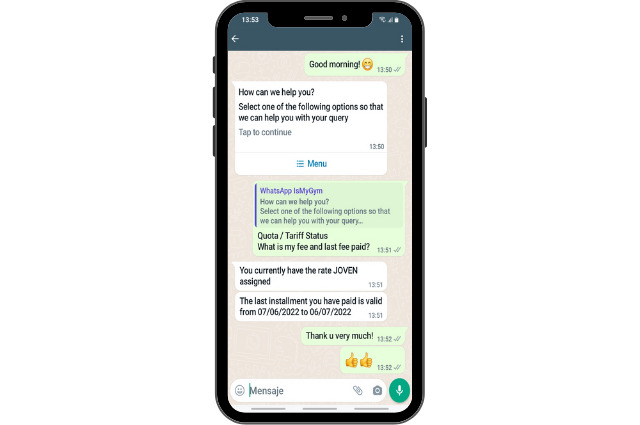
Automated solutions help maintain regular contact with residents, ensuring they are always informed about regulations and deadlines. This reduces the risk of oversight and promotes a culture of accountability.
Furthermore, employing kiosks and TPV systems streamlined through GestionaTuComunidad can manage financial transactions efficiently, making funds available for compliance-related expenses easily. To explore how these technological advancements can aid your community, request a demonstration today.
Creating a Culture of Compliance
Cultivating a culture of compliance involves ongoing communication, education, and the use of appropriate tools. By fostering an environment where residents are well-informed and participative, communities can significantly mitigate the risks associated with non-compliance.
Encouraging feedback and suggestions on compliance-related issues can also empower residents, making them feel like a vital part of the community's governance. Transparent decision-making processes further contribute to building trust and adherence to regulations.
Ultimately, ensuring compliance is not just about avoiding penalties but about creating a harmonious living environment where every member feels secure and valued. Communities can achieve this by leveraging educational programs, efficient management practices, and innovative tools like GestionaTuComunidad.
Discover our Management software for Community of Neighbors and digitize your business management.